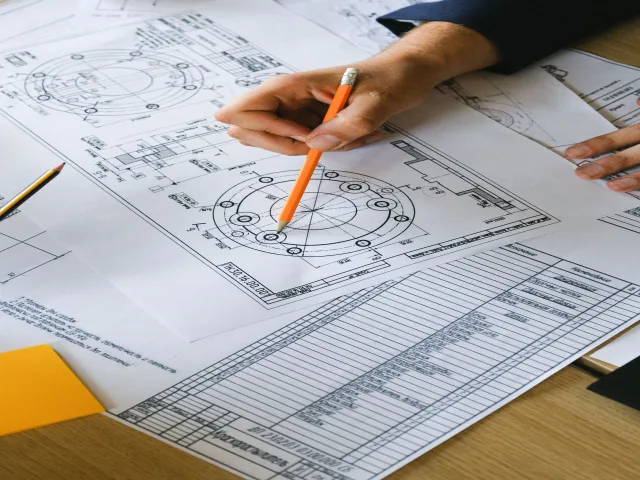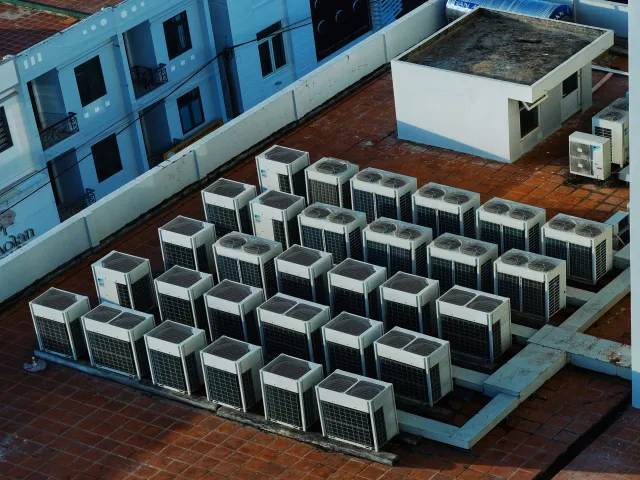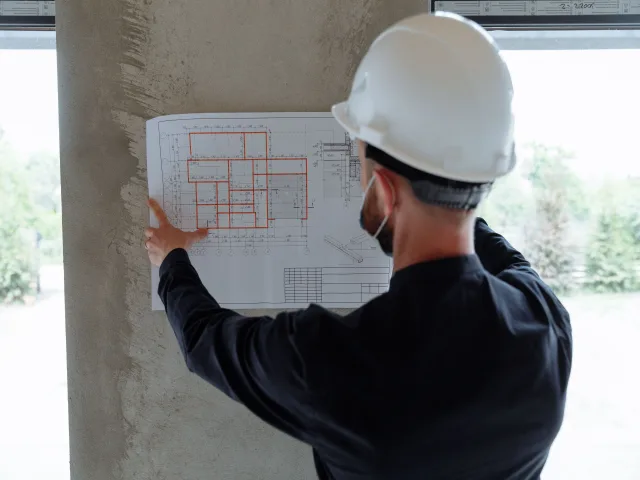
When a ductwork run collides with a structural beam, the field crew stops, and every trade waiting behind sits idle while the GC, engineer, architect, and MEP consultant sort it out. A single undetected clash cascades into days of lost schedule and tens of thousands in delay costs that a model review would have eliminated.
Clash Detection Services That Eliminate On-Site Construction Conflicts
A clash in a BIM model costs almost nothing to fix. The same clash discovered during steel erection or MEP rough-in costs thousands in rework, schedule delay, and subcontractor friction. Our clash detection services identify every spatial conflict across your models before a single crew mobilizes on-site.
Why Skipping Clash Detection is the Most Expensive Pre-Construction Decision
What's Included in Our Clash Detection Services
Tools We Use for Clash Detection
- Autodesk Navisworks Manage
- Autodesk Revit
- Autodesk BIM 360 / ACC
- Solibri Model Checker
- Tekla BIMsight
- Autodesk Civil 3D
- AutoCAD MEP
- Trimble Connect
- Procore BIM
- IFC OpenBIM Workflow
Who We Serve
Undetected clashes don't stay hidden; they surface as change orders. We provide contractors, engineers, and owners with complete clash detection that identifies and resolves every spatial conflict before construction begins.
Learn MoreHow Our Process Works
A systematic workflow moving from raw model files to a fully actionable conflict resolution plan
-
01
Submit Plans
Upload your drawings and project documents.
-
02
Review Scope
We analyze every detail of your project scope using industry-standard tools, ensuring nothing is missed
-
03
Cost Estimate
We build a precise, itemized estimate covering all materials, labor, and trade-specific costs.
-
04
Bid-Ready Delivery
Your completed estimate lands in your inbox.
What Our Customers Say
Frequently Asked Questions
Clash detection in BIM is the process of identifying spatial conflicts between building elements across multiple discipline models, including architectural, structural, MEP, and civil, before construction begins. When models from different design teams are federated into a single coordinated environment, elements that physically intersect or violate required clearance zones are flagged as clashes. Resolving conflicts at the model stage eliminates the field rework, schedule disruption, and coordination disputes that occur when crews encounter the same problems on-site.
A hard clash is a direct physical intersection between two building elements, a pipe running through a structural beam, for example. A soft clash occurs when elements don't physically intersect but violate a required clearance zone, such as insufficient maintenance access around an air handling unit. A workflow clash involves construction sequencing, where one trade's work physically prevents another from completing their scope in the required order. Our analysis covers all three types because all three create real, costly field problems.