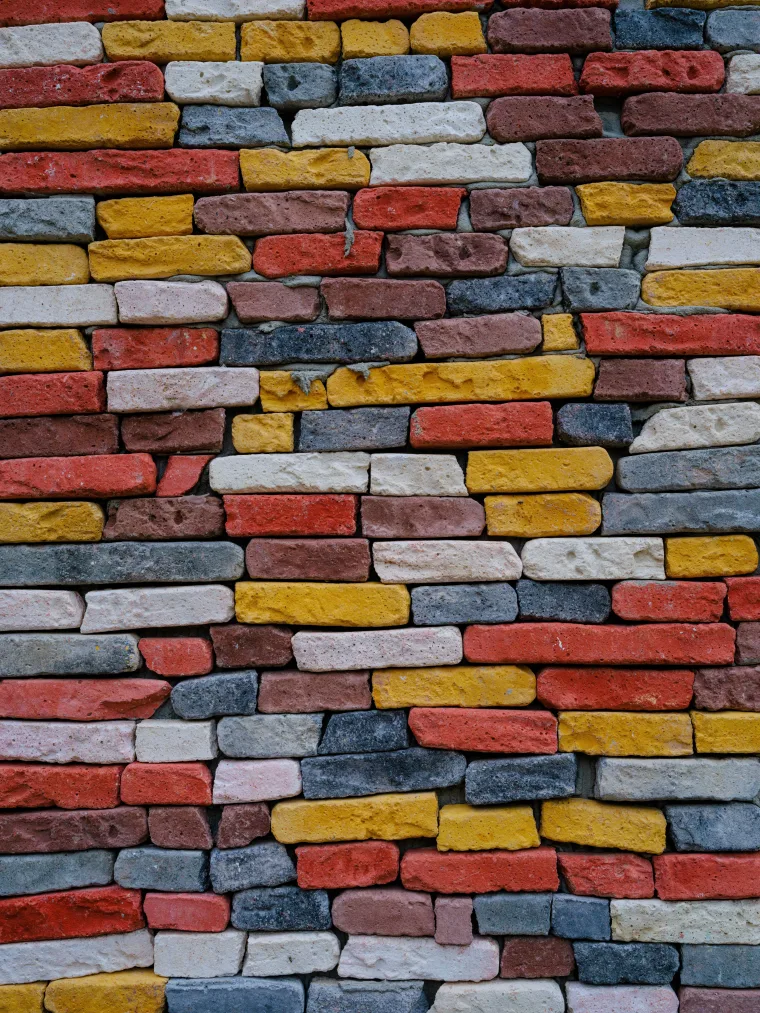
Mortar accounts for approximately 25 to 30 percent of total wall volume in brick masonry, yet most field estimates calculate brick units and apply a blanket mortar allowance that bears no relationship to your actual joint profile, mix specification, or wall type. When mortar runs short mid-project, your mason crew idles while emergency deliveries arrive at premium pricing that eliminates your margin.
Masonry Estimating Services That Count Every Unit and Component
Masonry is one of the most component-dense scopes in construction, brick units, CMU block, mortar volume, grout fills, reinforcing steel, lintels, wall ties, flashing, and scaffolding all carry real costs that incomplete takeoffs consistently miss. Our masonry estimating services give contractors material-complete, wall-type-specific numbers built directly from your drawings.
Why Masonry Estimating Errors Are More Expensive Than You Think
What's Included in Our Masonry Estimating Services
Tools We Use for Masonry Estimating
- PlanSwift
- Bluebeam Revu
- On-Screen Takeoff (OST)
- RSMeans Masonry Cost Data
- Microsoft Excel
- STACK Estimating
- ScopeTakeoff
- Autodesk Revit
- Sage Estimating
- ProEst
Who We Build Estimates For
Masonry bids don't forgive missing wall types or incomplete material counts. We give contractors, developers, and owners material-complete, wall-type-specific cost data before a single block is ordered or a bid goes out.
Learn MoreHow to Get Started
A structured four-step process built to deliver complete masonry estimates on your bid schedule.
-
01
Submit Plans
Upload your drawings and project documents.
-
02
Review Scope
We analyze every detail of your project scope using industry-standard tools, ensuring nothing is missed
-
03
Cost Estimate
We build a precise, itemized estimate covering all materials, labor, and trade-specific costs.
-
04
Bid-Ready Delivery
Your completed estimate lands in your inbox.
What Our Customers Say
Frequently Asked Questions
Masonry estimating fees are based on project size, variety of wall types, drawing completeness, and required turnaround time. Takeoffs for straightforward single-wythe CMU or brick veneer scopes on smaller commercial projects typically start at $200 to $450. Full masonry packages covering multiple wall assemblies, interior masonry, restoration scope, and specialty masonry on mid-sized commercial projects range from $500 to $1,200. Large institutional or mixed-wall-type projects are quoted individually after reviewing your full drawing set. We provide a fixed price before any work begins.
A complete masonry takeoff covers brick or CMU unit counts by wall type, bond pattern, and color; mortar volume by joint profile, mix specification, and mortar type, Type N, S, or M, based on your project's structural and exposure requirements; grout volume by cell fill configuration and pour height; horizontal and vertical reinforcing steel by bar size and spacing; lintel quantities by span and loading condition; wall tie counts by type and spacing; control and expansion joint linear footage; flashing and weep scope; scaffolding by facade area; and every specified masonry accessory referenced to a specific drawing location.
Masonry takeoffs for straightforward single-building commercial scopes with limited wall types are typically delivered within two to three business days. Mid-sized commercial projects with multiple wall assemblies, interior masonry systems, scaffolding scope, and restoration work are generally completed within three to five business days. Large institutional or mixed-wall-type projects with extensive elevation counts and complex specification sections are scheduled individually based on drawing volume and wall type complexity. Rush delivery is available for time-sensitive bid deadlines. Share your date upfront, and we'll confirm turnaround before you commit.
Mortar volume is calculated based on your wall type, unit size, joint profile, and mix specification, not as a blanket percentage applied to brick or block area. Mortar accounts for approximately 25 to 30 percent of total wall volume in brick masonry, and that volume must be converted to dry material quantities, cement, lime, and sand, based on your specified mix ratio. Grout volumes are calculated by core fill configuration and grout pour height for CMU walls. Every mortar and grout quantity is documented with supporting calculations so your masonry supplier can verify the basis before preparing a material quote.